THE PLAN
Nave, aisles, transepts
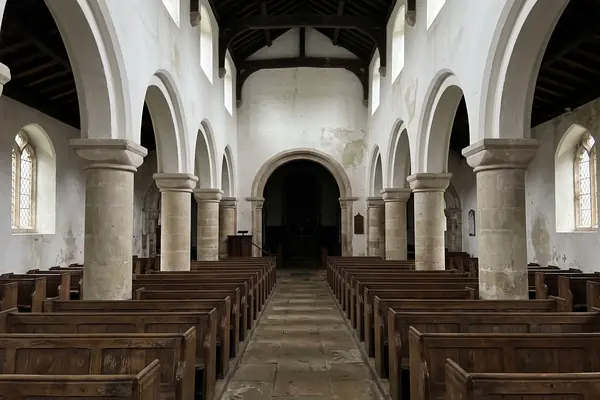
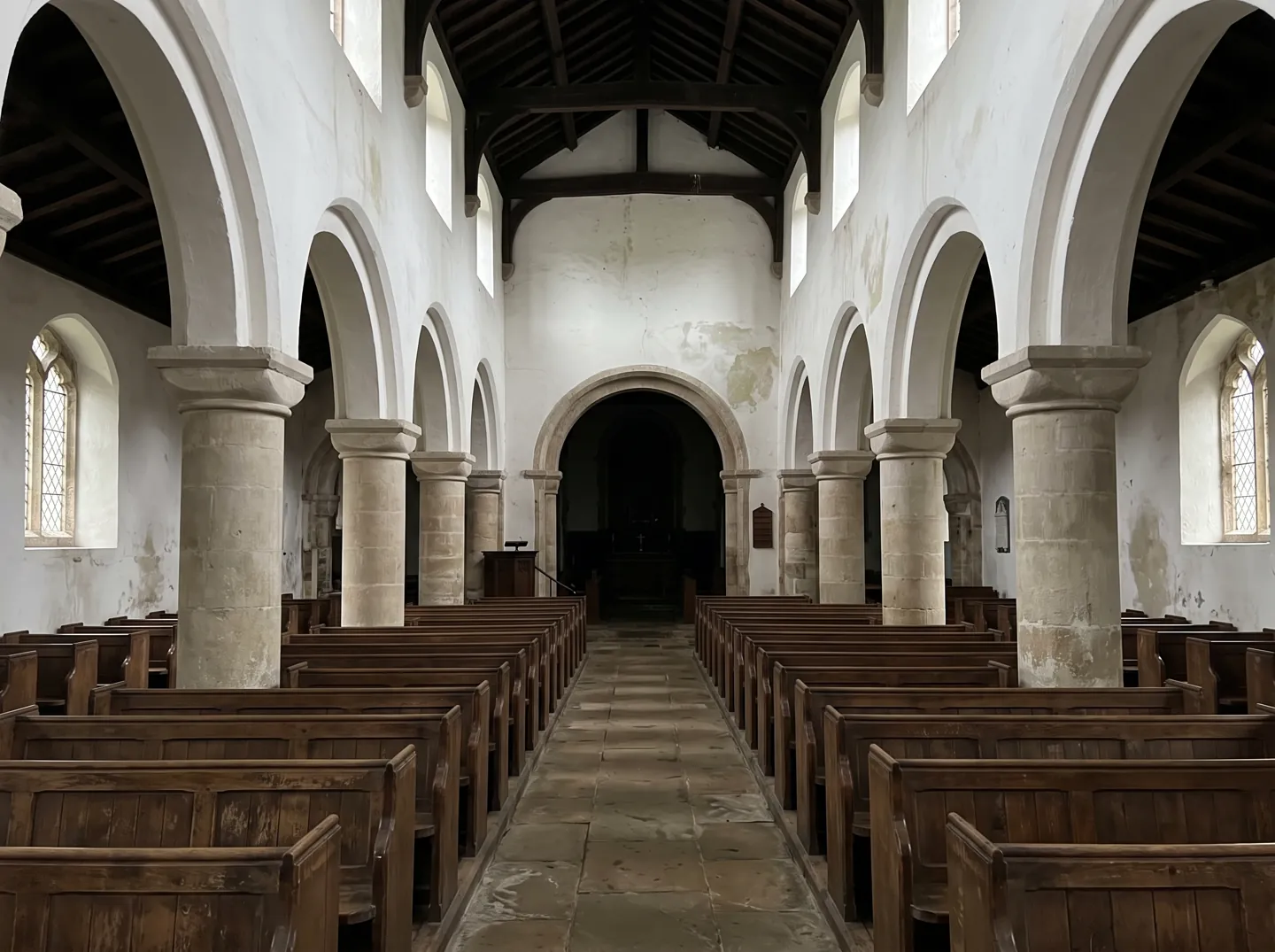
The nave is the main body of the church. Aisles are side divisions, usually set off by pillars, and transepts run at right angles to the nave.
Find your way round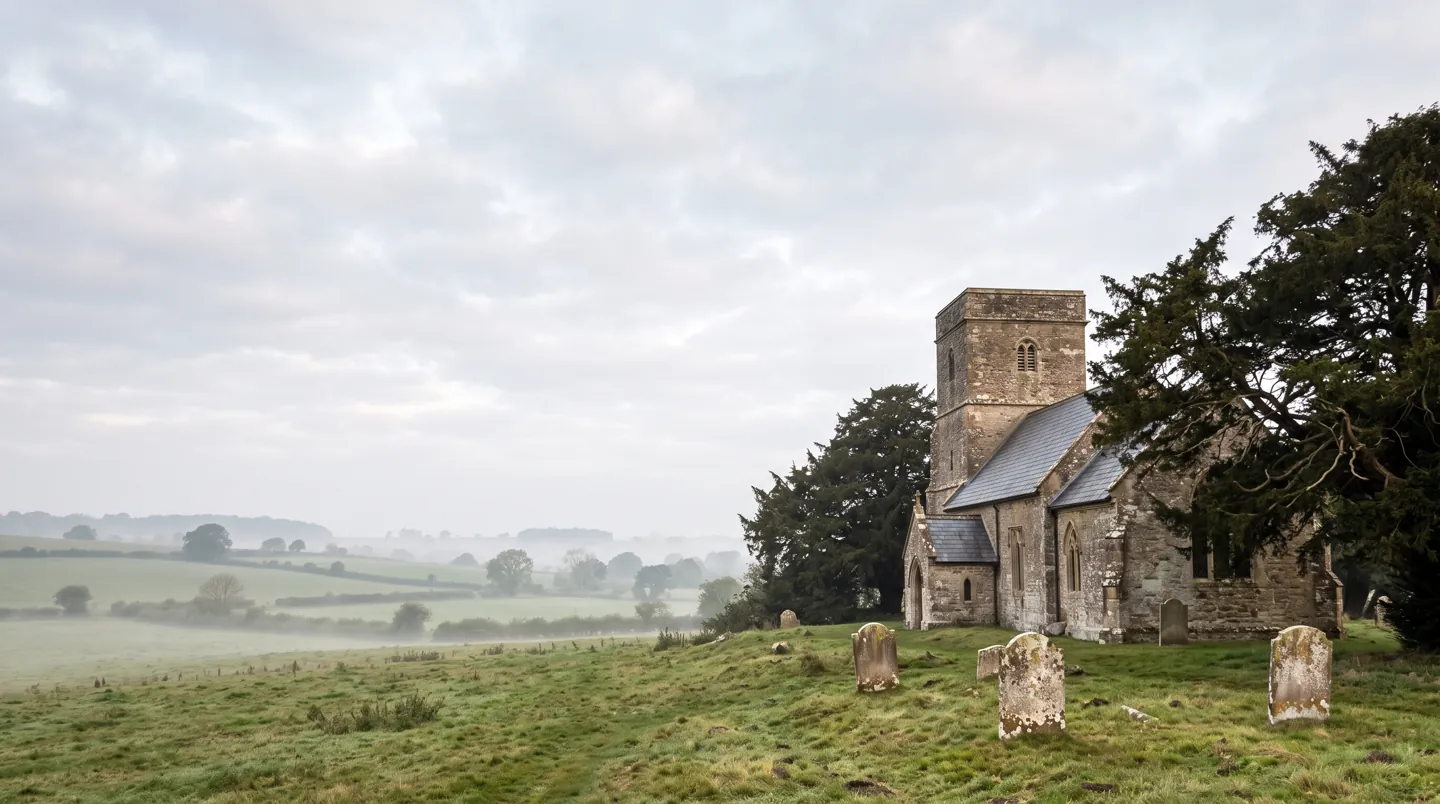
A HERITAGE GUIDE
LOOK UP and look along the walls
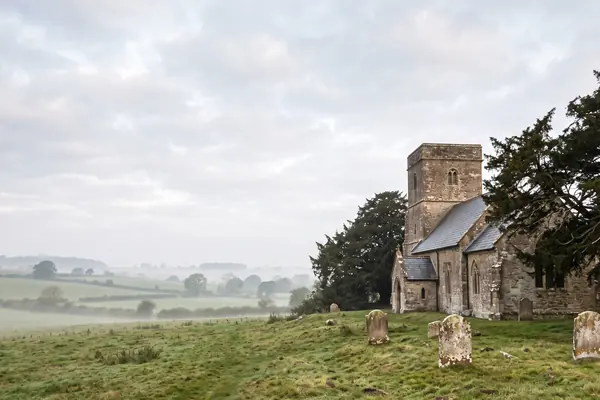
AI-generated image, not a photograph of a real person or place.
An old church is a local history book you can walk into.
Its plan, windows and memorials record centuries of building and of local lives. This independent guide covers how to read the main parts, and who looks after churches that might otherwise close. It is about buildings and history, not belief.
THE SHORT ANSWER
A handful of words unlock most old churches.
Then the memorials tell you who lived nearby.
THE PLAN
The nave is the main body of the church. Aisles are side divisions, usually set off by pillars, and transepts run at right angles to the nave.
Find your way roundMEMORIALS
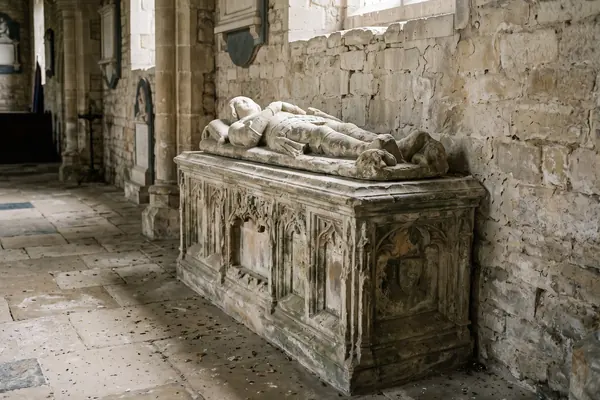
The Church Monuments Society says churches house nearly 90% of England's medieval and early-modern sculpture, mostly in the form of memorials.
See the numbersCARE
Charities such as the Churches Conservation Trust and the National Churches Trust look after or fund repairs to historic churches so they stay open.
Plan a visit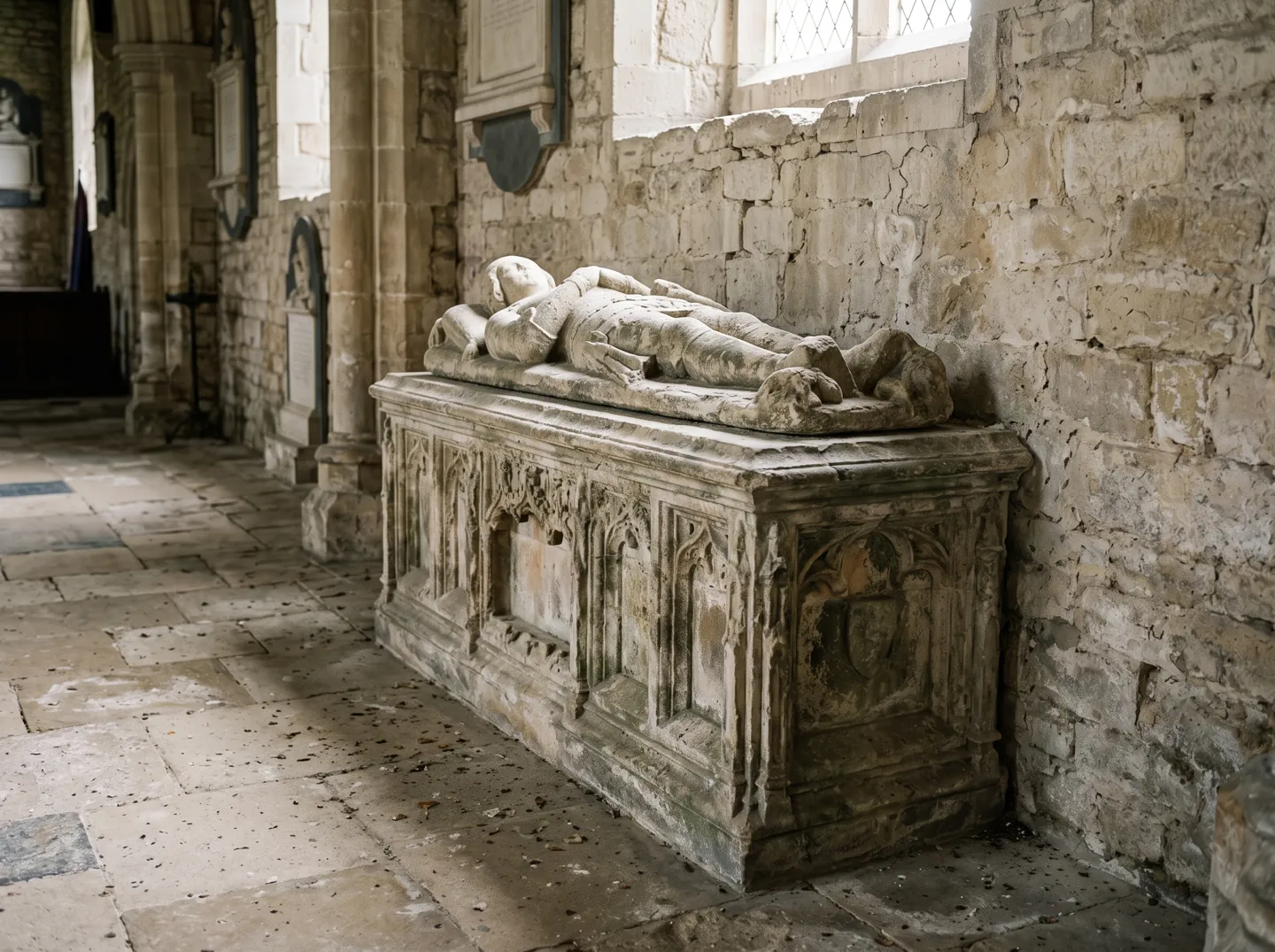
FOUR WAYS TO LOOK
None of these needs special knowledge. They are simple ways to notice how a building grew and who it remembers. Check opening times first, and remember many churches are still used for services.
Stand inside the door, then walk towards the east end. Notice where pillars divide off the aisles and where the space changes.
A clerestory is the upper row of windows. Spot how the light falls and whether the walls above the pillars were raised later.
Wall plaques, tombs and carved figures record local families and craftspeople. Look, but do not touch, rub or lean on them.
Some churches are cared for by the Churches Conservation Trust; others have had repair grants from the National Churches Trust. Their websites list churches to visit.
TWO NUMBERS WORTH KNOWING
One figure on what churches hold,
one on what a single charity looks after.
≈ 90%
Medieval and early-modern sculpture held in churches
The Church Monuments Society says churches house nearly 90% of England's medieval and early-modern sculpture, most of it in the form of memorials.
SCULPTURE · CHURCH MONUMENTS SOCIETY
358 churches
Historic churches in one charity's care
The Churches Conservation Trust says it cares for 358 historic churches, which together attract over 1.8 million visitors a year.
CARE · CHURCHES CONSERVATION TRUST
The National Churches Trust says it awarded £2.6 million in 2025 through 326 grants, and that 12 churches and chapels left the Heritage at Risk Register in 2025 with the support of its grants.
A QUICK WAY ROUND
Pick a part of the building to see what the word means. The bar shows roughly how high it sits, from below the floor to the upper walls.
Definitions from the Herefordshire Through Time glossary of church and cathedral terms (Herefordshire Council). Not every church has every part.
CHURCHES AT RISK
The Church of England's ChurchCare team describes its churches and cathedrals as the largest set of historic buildings in the country, and a statutory committee advises on the heritage of churches that close.
The Churches Conservation Trust says its churches remain consecrated and can be used for occasional worship, while being kept open for visitors. This site is an independent informational guide and is not a church or connected with any of these bodies.
In conversation
The nave is the middle or main body of the church, generally west of the crossing. It may be described as including or excluding the aisles, which are the side divisions set off by pillars.
A clerestory is an upper storey with its own row of windows, often above the aisles. Herefordshire Council's glossary explains the name as clear, meaning lighted, plus storey.
Churches were where families recorded their dead for centuries. The Church Monuments Society says churches house nearly 90% of England's medieval and early-modern sculpture, most of it as memorials.
In the Church of England, a statutory advisory committee gives advice on closed and closing churches: whether a new use fits, whether it should be kept as it is, or whether it can be demolished. Some go to the Churches Conservation Trust.
The trust says its churches are kept open and in use, attract over 1.8 million visitors a year, and host walks, trails and events. Check its website for opening details before you travel.
Each figure on this page comes from the sources below.
ABOUT THIS NAME
youbiblechurch.com is part of the DoodleSale portfolio. It isn't in an auction right now, but you can ask about leasing it.